Published:
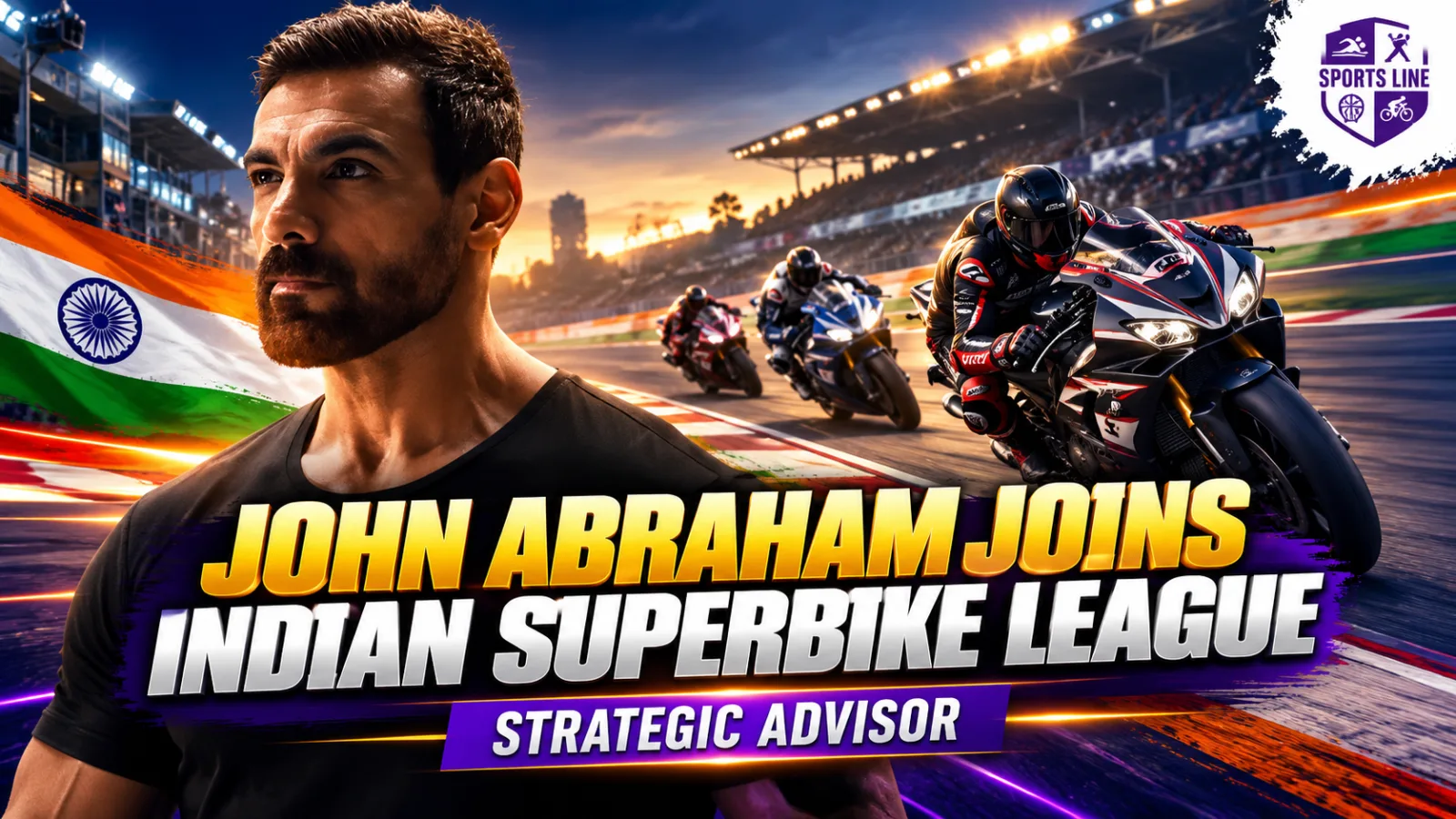
Actor John Abraham has joined the Indian Superbike League as a strategic adviser, according to a report published by NDTV Sports on October 28, 2026. The appointment brings a prominent figure associated with Indian cinema and motorcycle culture into the league’s efforts to raise the profile of organised superbike racing in the country.
The reported appointment is described as strategic rather than as a role on the starting grid or in day-to-day race operations. Abraham is known for his public interest in motorcycles, making the association a potentially useful bridge between the league and audiences who follow automotive culture, entertainment and sport.
The precise scope of his responsibilities has not been established in the material available for this draft. An advisory position can cover areas such as brand positioning, commercial partnerships, audience outreach and long-term planning, but those are general possibilities rather than confirmed duties in this case. The league’s formal announcement, if available, should be checked before adding detail about his remit.
For a developing motorsport property, a recognisable adviser can help attract attention beyond the existing fan base. That visibility alone does not guarantee stronger competition or sustainable growth, however; a league also needs clear sporting regulations, reliable event delivery, safety standards, participating teams and riders, and commercial support.
Motorcycle racing in India includes several forms of competition, from national circuit racing to off-road disciplines and international events followed by Indian fans. A league built around superbikes can offer a distinct platform for riders, teams, sponsors and venues, provided its format and pathway for participants are clearly communicated.
Superbike racing is generally based on production-derived motorcycles adapted to competition under a championship’s technical rules. It differs from MotoGP, where machines are purpose-built prototypes. The distinction matters to fans because the classes involve different engineering approaches, costs and competitive structures.
The NDTV report positions Abraham’s appointment in the context of the league’s ambitions. More information is still needed about the competition calendar, participating teams, technical rules and rider development plans to assess how the series will operate. Those details are important for both spectators and prospective participants looking to understand the league’s place in India’s wider motorsport ecosystem.
High-profile figures can help sports properties reach audiences who may not regularly follow race results. Abraham’s public image and association with motorcycles may give the league an additional route to promote events, explain the sport and build relationships with commercial partners. Such attention can be especially valuable for motorsport, where event production, equipment and venue requirements can make growth challenging.
At the same time, a strategic adviser’s influence should be measured through tangible outcomes rather than the announcement alone. Useful indicators would include confirmed race dates, team and rider participation, sponsor commitments, audience engagement and the development opportunities available to Indian riders. No such outcomes are claimed here because the available report does not provide them.
The next important step is further detail from the Indian Superbike League on Abraham’s responsibilities and the series’ plans. An official statement could clarify whether his work will focus on promotion, partnerships, governance or other strategic priorities. Updates on the calendar, regulations and participating teams would also help establish how the league intends to turn attention into a functioning competition.
For now, the confirmed angle from the cited report is the appointment itself. Abraham’s involvement may increase public awareness of the league, while the long-term test will be whether the organisation can translate that visibility into a credible and sustainable racing platform.
