Published:
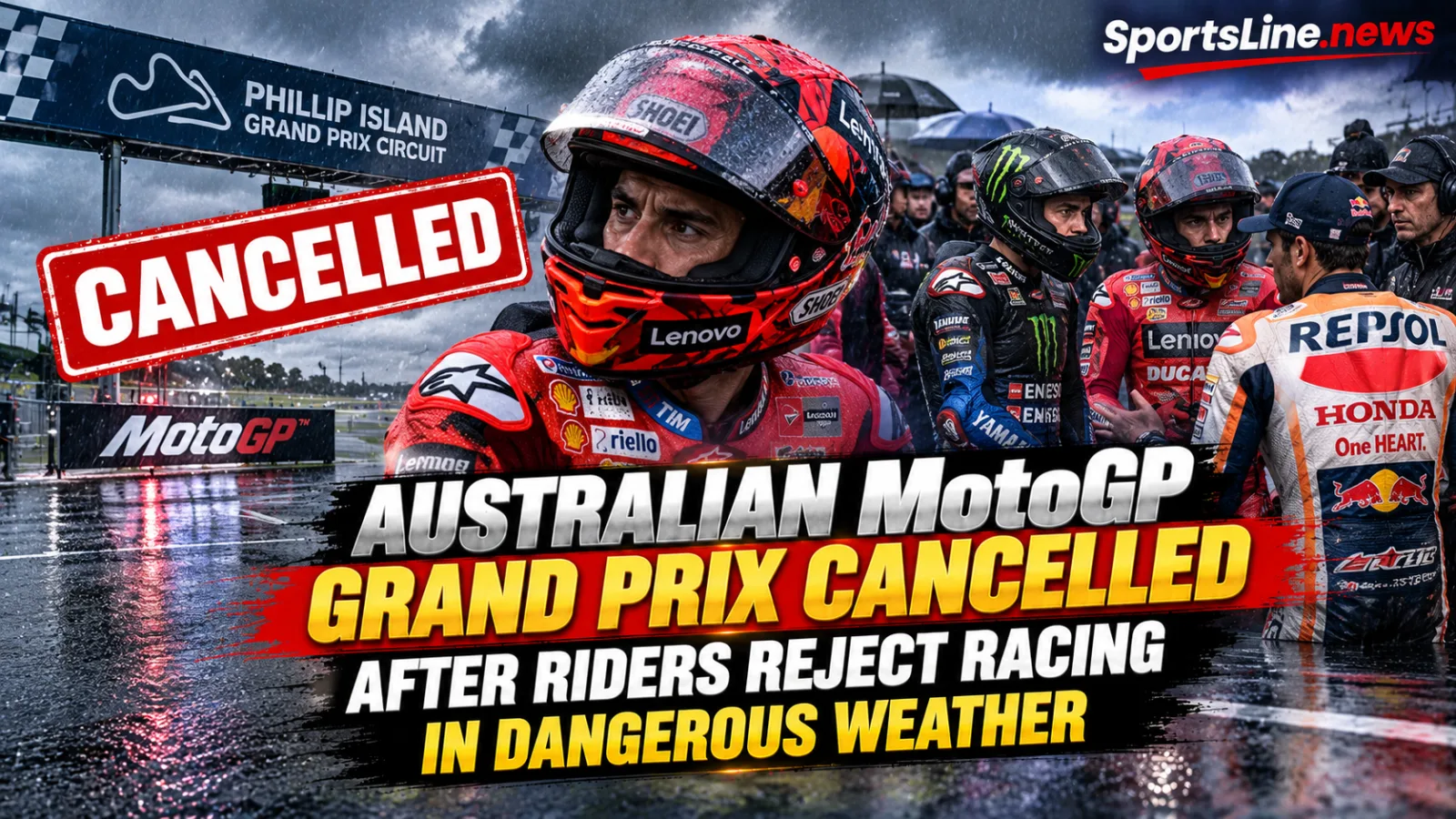
The Australian MotoGP Grand Prix at Phillip Island was cancelled after adverse weather conditions raised safety concerns, according to Sportstar. Strong winds and the exposed conditions at the coastal circuit made it difficult to proceed safely, bringing the premier race to an end without a start.
The decision followed concerns from riders and discussions with organisers over whether the conditions allowed a safe race. In motorcycle racing, wind can be a significant hazard as well as rain, particularly at high speed when gusts can affect a bike’s stability and riders’ control.
The cancellation was prompted by conditions that organisers and riders considered unsuitable for racing. Phillip Island sits on Victoria’s coast and is exposed to weather that can change quickly. The circuit’s location makes wind an important consideration when officials assess whether motorcycles can run safely.
Rider safety is the primary factor in such decisions. A race may be delayed or abandoned if weather creates a risk that cannot be managed through normal procedures. The Sportstar report identifies adverse weather as the reason for the cancellation, with safety concerns central to the call.
The cancellation does not mean that every session across the weekend was necessarily called off. It specifically concerns the Australian Grand Prix race, and any separate outcomes from practice, qualifying or sprint sessions should be distinguished from the main event’s status.
Wind can affect a motorcycle in ways that are different from the challenges posed by a wet track. Sudden gusts may unsettle a bike while a rider is leaning through a corner or travelling at high speed. On a circuit with exposed sections, the wind direction and intensity can vary across the lap, making conditions difficult to predict.
Race organisers must balance the sporting importance of a Grand Prix with the risks faced by riders, marshals and other personnel. If conditions are judged too dangerous, cancelling the race is a safety decision rather than a competitive outcome. No championship points can be inferred from a race that does not take place; the official classification and championship implications depend on the governing body’s regulations and any formal event notice.
Phillip Island is one of MotoGP’s established venues and is known for its fast layout and coastal setting. The circuit’s weather can be part of the challenge for teams and riders, requiring preparation for changes in temperature, wind and track conditions. However, the same exposed setting that makes the venue distinctive can also complicate decisions when conditions deteriorate.
For teams, a cancelled race affects the planned sporting programme and the opportunity to score points. Riders and engineers must prepare for the event as scheduled but remain ready for changes made by race control. The cancellation also affects fans who travelled to the venue to watch the Grand Prix, though the precise arrangements for ticket holders depend on the organiser’s official guidance.
After a cancellation, attention turns to the official MotoGP and event-organiser communications for any formal statement on the decision, championship implications and spectator arrangements. Those details should be confirmed through the governing body rather than inferred from the weather report alone.
The Sportstar report attributes the cancellation to adverse weather and safety concerns. Until the organisers issue any additional details, the central confirmed point remains that the Australian Grand Prix race at Phillip Island did not proceed because conditions were considered unsuitable for safe racing.
The decision highlights how motorsport scheduling is shaped by safety as much as by competition. For younger riders and teams, the lesson is that assessing weather and respecting race-control decisions are fundamental parts of the sport. A cancelled race may disappoint fans, but the priority is to avoid exposing competitors and track personnel to unacceptable risk.
