Published:
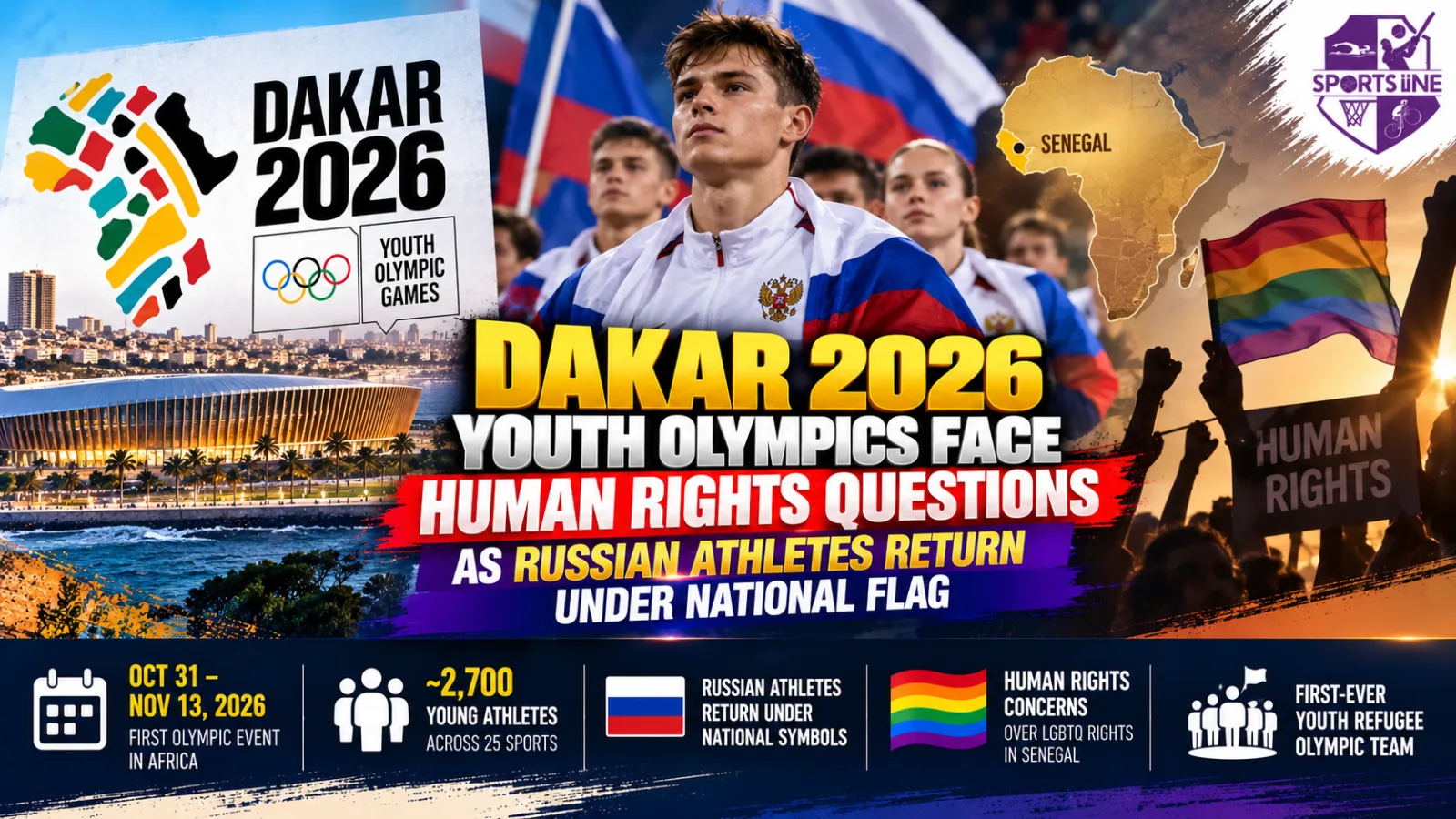
The Dakar 2026 Youth Olympic Games are set to open on October 31, marking the first Olympic event to be held on African soil, but the milestone arrives amid debate over athlete participation and human rights. Around 2,700 athletes aged 17 or younger are expected to compete across 25 sports in Senegal, while the return of Russian athletes under their national flag and anthem has prompted renewed scrutiny of the Olympic movement’s approach to international sport.
The Games run until November 13 and will use venues in Dakar, nearby Diamniadio and the coastal town of Saly. The International Olympic Committee has described the event as a landmark for Africa, but the wider discussion around the Games includes the impact of Russia’s war against Ukraine and concerns raised by human rights groups about conditions for LGBTQ people in Senegal.
Thirteen Russian athletes are expected to take part in Dakar, accompanied by 10 coaches, according to reporting by Agence France-Presse. The return comes after the IOC moved to ease restrictions on youth athletes with Russian and Belarusian passports. At its Olympic Summit in December 2025, the IOC supported allowing those athletes access to international youth competitions, with national flags and anthems governed by the usual rules of the relevant international federation.
The policy is not applied identically across every sport. World Athletics continues to maintain restrictions on Russian athletes, while the international federations for swimming and judo have allowed Russian competitors to participate with their flag and anthem. The different approaches underline that the IOC’s position still depends on the regulations and decisions of individual sports governing bodies.
Russia’s participation remains politically sensitive following its invasion of Ukraine in February 2022 and the sporting restrictions that followed. The IOC has argued that young athletes should not be held responsible for the actions of their governments, while also saying that existing sanctions against the Russian and Belarusian governments remain in place. The Dakar Games will put that balance into public view as national symbols return in some youth competitions.
Alongside the debate over Russian participation, Senegal’s human rights situation has drawn attention in the run-up to the event. Human Rights Watch has urged authorities to halt what it described as a crackdown on LGBTQ people. The issue has raised questions about how the Olympic Charter’s commitments to dignity and non-discrimination will be upheld during a major international event.
The Olympic Charter states principles against discrimination, and the IOC has presented Dakar 2026 as an opportunity to demonstrate the values of sport and the continent’s growing role in the Olympic movement. Human rights advocates have called for those principles to be reflected in practical safeguards for athletes, workers, spectators and visiting delegations, rather than remaining only a statement of intent.
The issues are distinct but intersect at the heart of the event: who is able to participate, under what conditions, and whether all people connected with the Games can do so safely and with dignity. The IOC and the Senegalese organisers will face scrutiny over how those commitments are put into practice during the competition period.
Dakar 2026 is the fourth edition of the Youth Olympic Games and a major symbolic moment for African sport. Events will be staged across three host zones, with competitions ranging from athletics and beach wrestling to rugby sevens and breaking. Senegal is sending 136 athletes, according to AFP reporting, giving local competitors a chance to compete at home on an Olympic platform.
The Youth Olympic flame arrived in Dakar in September and then travelled approximately 3,600 kilometres through all 14 regions of Senegal. Organisers and national authorities have framed the event as an opportunity to showcase the country’s culture and develop sports infrastructure and skills. At the same time, the Games are taking place amid economic pressures in Senegal, including concerns about living costs, unemployment and public debt.
Dakar will also host the first Youth Refugee Olympic Team. The six-member group includes young people living in Kenya and Uganda and is supported by the IOC, the Olympic Refuge Foundation, World Athletics and the UN refugee agency. Its presence highlights another dimension of access to sport: young athletes whose lives have been shaped by forced displacement will be able to compete on an international stage.
The mix of milestones and controversies means Dakar 2026 will be judged on more than its results and medal table. Its status as the first Olympic event in Africa is historic, but the event also offers a test of whether Olympic principles can be applied consistently amid political disputes and human rights concerns. As competition begins, attention will focus on the athletes themselves and on how organisers respond to the questions surrounding their participation and safety.
