Published:
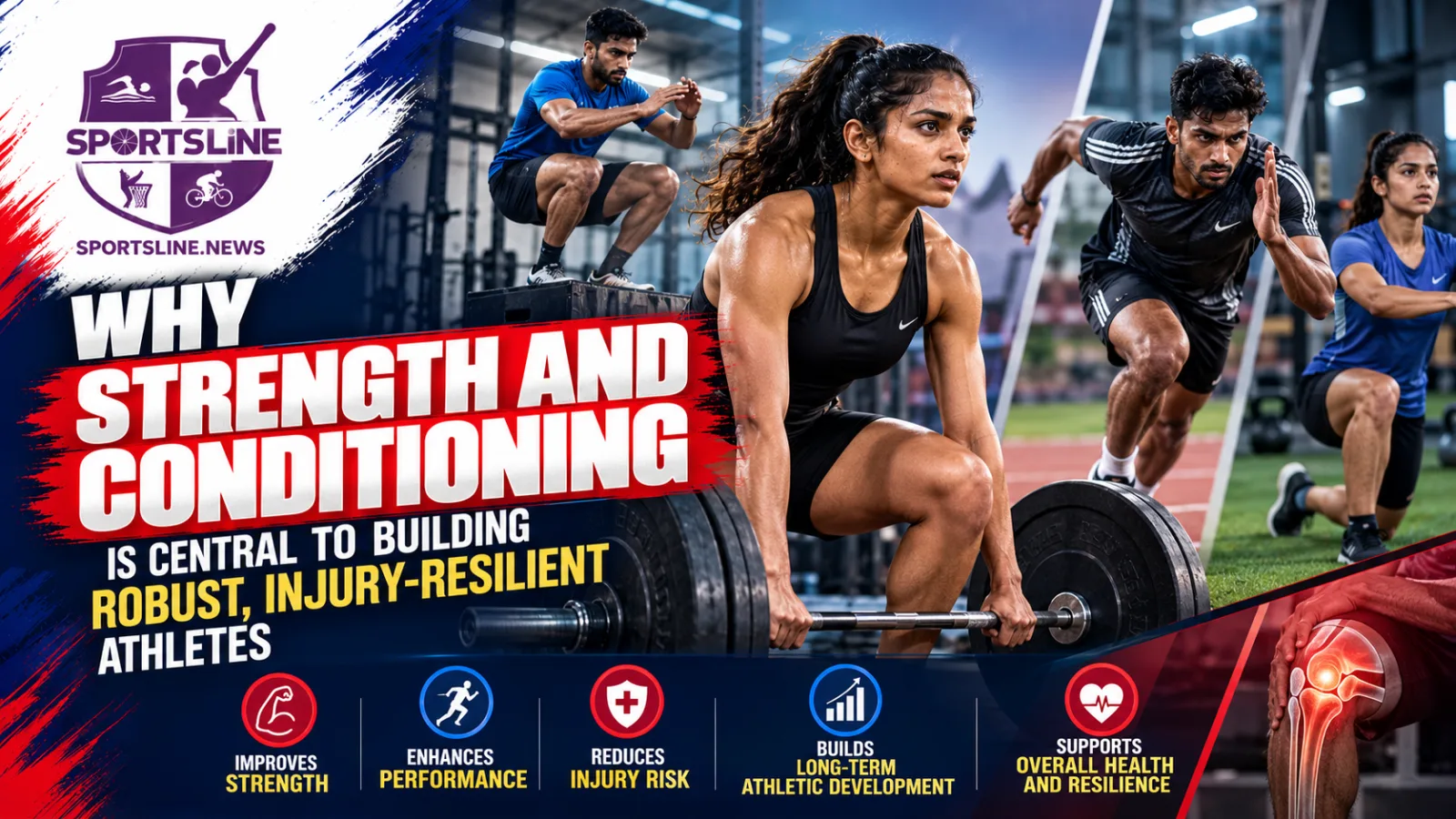
In a high-performance setting, physical preparation should help athletes tolerate technical and tactical training and remain available for competition. That requires understanding an athlete’s current capacities, training history and sport-specific demands before building an appropriate programme.
In his published framework on athlete development, strength and conditioning coach Ramji Srinivasan argues for building foundations patiently, with physical literacy and structured development taking priority over chasing early results. The aim is to develop athletes who can progress over years while protecting their long-term health.
Injury prevention cannot rely on a single exercise or screening test. A broader approach can combine movement and biomechanical assessment, progressive training loads, neuromuscular work, recovery practices and communication among coaches and medical staff. The objective is to identify issues early and adapt preparation to the individual athlete.
Recovery is also part of the training plan. Sleep, appropriate rest and monitoring how athletes respond to workloads can help staff make better decisions about when to progress, modify or reduce training. After an injury, a staged return-to-sport process is important; athletes should regain function and readiness rather than return solely because pain has eased.
Young athletes in particular benefit from programmes that match their development stage and technical competence. Strength and conditioning should support sport skills, not replace them, and should be introduced progressively with qualified guidance. A multidisciplinary system involving coaches, strength and conditioning specialists, physiotherapists and sports-science staff can help connect performance goals with athlete welfare.
The central principle is simple: robust athletes are built through consistent, individualised preparation, sensible workload management and recovery—not through short-term fixes.
