Published:
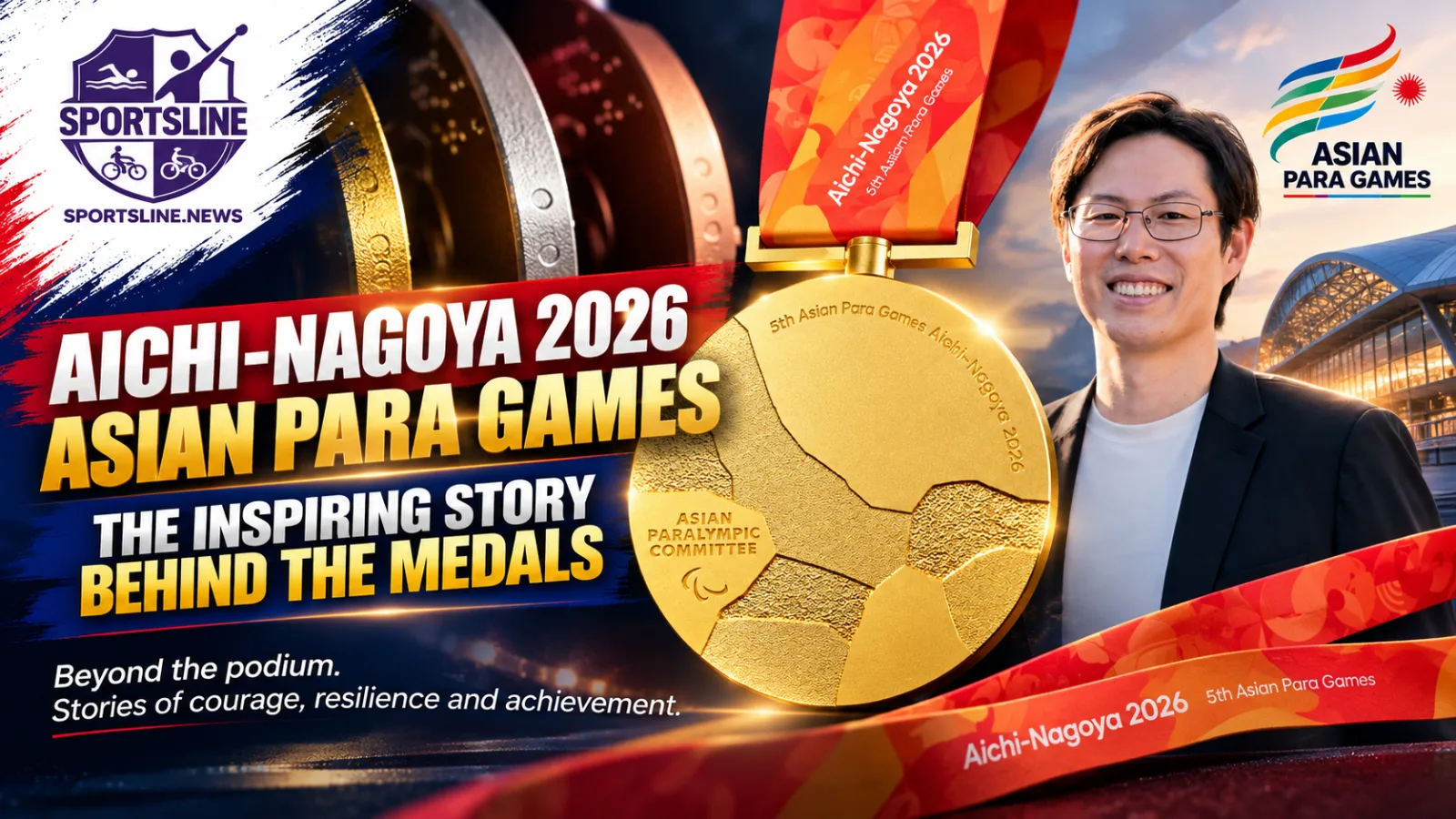
The medals at the Aichi-Nagoya 2026 Asian Para Games represent far more than sporting success. Designed to reflect the determination, perseverance and achievements of para-athletes, they tell a story of challenges overcome and diverse cultures united through sport.
Taking inspiration from the Games slogan, “IMAGINE ONE HEART,” the medal design celebrates unity through the power of sport. The official design concept presents the medal as a symbol of individual efforts and experiences coming together to create a shared achievement.
Japanese designer Daisuke Shiba created the medal for the fifth Asian Para Games. According to the official organising committee, the design process involved examining repeatedly broken ceramic discs until a naturally appealing shape emerged.
The concept draws a parallel between these fragments and the journeys of athletes, who overcome numerous challenges before reaching the highest levels of competition. The resulting medal represents the culmination of their hard work, dedication and determination.
The official medal specifications highlight the different materials used for each award.
Gold medal: Approximately 265 grams, made of pure silver plated with at least one gram of gold.
Silver medal: Approximately 264 grams, made of pure silver.
Bronze medal: Approximately 222 grams, made of red brass containing 95 per cent copper and five per cent zinc.
Each medal measures 80 millimetres in diameter and five millimetres in thickness.
Accessibility is an important feature of the Aichi-Nagoya 2026 medals.
The reverse side carries the Games name, “Aichi-Nagoya 2026,” in Braille. Tactile notches along the edge also help athletes identify their medals by touch.
The gold medal features one notch, the silver medal has two, and the bronze medal has three.
These thoughtful details reflect the importance of creating an inclusive sporting environment in which athletes with different abilities can share and celebrate their achievements.
The medal project also incorporates an environmental initiative.
As part of the Aichi-Nagoya 2026 Recycled Medal Project, a portion of the metals used in the medals was recovered from small electronic devices donated by participating municipalities.
The initiative supports awareness of the United Nations Sustainable Development Goals and promotes a circular economy by giving recovered materials a new purpose.
The medal ribbon draws inspiration from Aichi Prefecture's cultural heritage.
Its design incorporates a castle silhouette and sweeping arcs inspired by the wind. These elements connect the region's history with the aspirations of athletes competing on the Asian stage.
The medal case also reflects local traditions. It features an octagonal design inspired by the character “八” (eight), associated with the Owari Tokugawa family's emblem and incorporated into Nagoya City's emblem.
Crafted from Japanese cypress grown in Aichi Prefecture, the case draws on the region's longstanding tea ceremony culture and tradition of preserving valuable objects in wooden boxes.
The Aichi-Nagoya 2026 Asian Para Games are taking place in Japan from October 18 to 24, 2026. The medals embody the spirit of the competition by recognising not only the results achieved on the field of play but also the effort, resilience and determination behind every performance.
For the athletes who stand on the podium, a medal is the culmination of years of preparation and sacrifice. Through its distinctive design, accessible features and sustainable materials, the Aichi-Nagoya 2026 medal also reflects a broader message: sporting achievement is most meaningful when it brings people together.
Official source: Aichi-Nagoya 2026 Asian Para Games — Medal Design
SportsLine — Bringing you the stories behind the biggest moments in sport.
