Published:
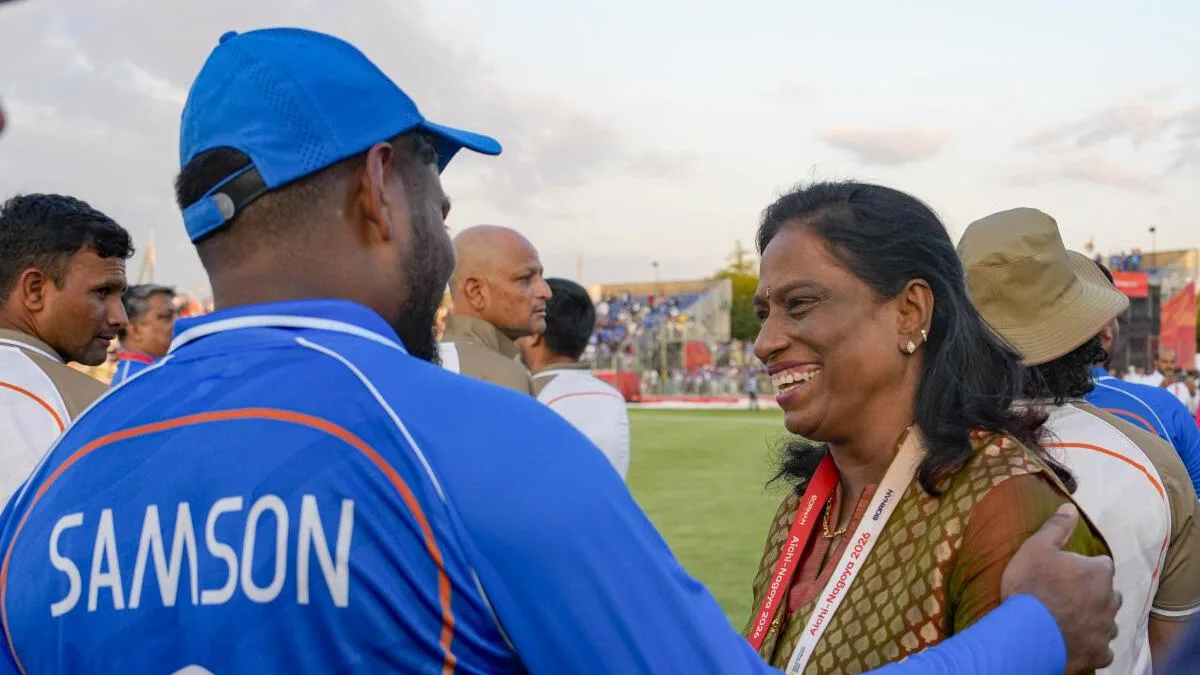
Indian Olympic Association (IOA) president P. T. Usha has stressed the need to build a stronger, athlete-first sporting ecosystem as India looks to turn its Asian Games achievements into sustained success at international competitions.
Her message follows India’s campaign at the Aichi–Nagoya Asian Games 2026, where the country finished fourth in the medal standings with 85 medals. The results offered several landmark achievements, while also highlighting the need for consistent athlete development, stronger support structures and long-term planning.
Usha’s message emphasised that sporting excellence cannot depend on individual talent alone. Athletes need effective national sports federations, committed coaches, suitable training infrastructure and access to sports science and other performance-support services.
These systems are particularly important for identifying emerging talent and helping promising athletes make the transition from junior competitions to senior international events.
A stronger athlete-first approach also means ensuring that athletes receive the preparation and support they need to perform consistently, rather than relying solely on exceptional individual performances.
India ended the Aichi–Nagoya Games with 85 medals: 21 gold, 27 silver and 37 bronze. The country finished fourth overall, although its total was below the 106 medals won at the 2023 Asian Games in Hangzhou.
The 2026 campaign included significant performances across archery, athletics, boxing, hockey, shooting and wrestling. These results demonstrated the progress made in several disciplines, while the overall performance also prompted discussions about depth, preparation and the development of the next generation of athletes.
The challenge now is to build on successful programmes and address weaknesses before future major competitions.
Usha has encouraged athletes to avoid complacency and treat setbacks as opportunities to learn and improve. International sport is highly competitive, and long-term success requires athletes to keep developing even after major achievements.
The message is especially relevant for young competitors who are progressing towards senior international events. Access to experienced coaching, sports science, consistent competition and a supportive training environment can play an important role in that journey.
The broader objective is to create a system in which athletes can develop over time and compete at their best without being held back by avoidable gaps in preparation or support.
The recognition of India’s Asian Games performers also highlighted the importance of celebrating athletes’ contributions while continuing to invest in future talent.
Among those recognised were wrestlers Sujeet Kalkal and Kumkum Mohod, who received trophies at a ceremony honouring India’s Asian Games achievers.
Such recognition can help raise the profile of athletes and encourage young people to pursue sport. However, the lasting impact depends on whether recognition is accompanied by continued investment in training, coaching, infrastructure and athlete welfare.
India’s sporting ambitions extend beyond a single Asian Games medal tally. Future success will depend on building depth across disciplines, improving preparation and ensuring that promising athletes receive the support required to compete consistently at the highest level.
A coordinated effort involving the IOA, national sports federations, coaches, training institutions and other stakeholders will be essential to that process.
The goal is not simply to produce a few champions, but to develop a sporting ecosystem capable of identifying, nurturing and supporting talented athletes across generations.
Source: Sportstar reporting and the Indian Olympic Association’s Asian Games 2026 review.
