The
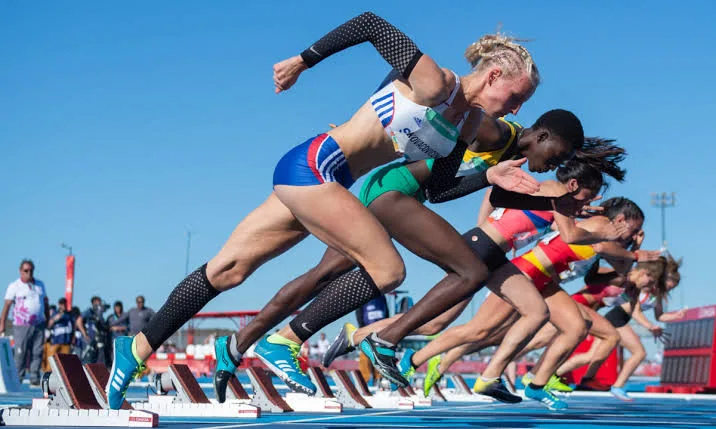
Youth Olympic Games (YOG) are an elite, international multi-sport event organized by the
International Olympic Committee (IOC) for young athletes aged 15 to 18. Staged every four years in staggered summer and winter editions, the YOG act as a critical stepping stone for the world's most promising young talent, combining elite competition with a foundational focus on education, cultural exchange, and Olympic values.Core Objectives & Structure
- Beyond Competition: A defining element of the YOG is its comprehensive culture and education model. Through interactive workshops and team-building exercises, athletes are invited to grow as responsible members of the global community, explore other cultures, and adopt the guiding spirit of "Learn, Share, Act".
- Sustainable Logistics: Unlike the traditional senior Olympic Games, host cities are required to use as many existing or shared facilities as possible to prevent excessive infrastructure costs. The IOC fully funds the travel, room, and board for all participating athletes.
Key Milestones & Historic Firsts
- Total Gender Parity: First achieved historically at the Summer YOG in Buenos Aires in 2018, modern editions enforce a strict 50:50 gender balance across all athlete quotas and events.
- National Representation: Following a transition that began at the Gangwon 2024 Winter Games, the events have moved away from mixed international teams, focusing instead on strict national and regional delegation representation.
- Africa's First Olympic Event: The upcoming fourth edition, Dakar 2026 Youth Olympic Games, will bring 2,700 athletes representing 207 delegations to Senegal, marking the first time an Olympic multi-sport event is ever staged on the African continent.