
Key points
- The ICC introduced the prohibition on using saliva to shine the ball in 2020 as a COVID-19 precaution.
- The ICC made the saliva restriction permanent in 2022.
- Players are still allowed to use sweat to polish the cricket ball.
- Shubman Gill has questioned why the restriction remains several years after the pandemic.
- Ball maintenance can influence swing, although conditions and bowling skill remain important.
- No change to the existing regulation has been announced.
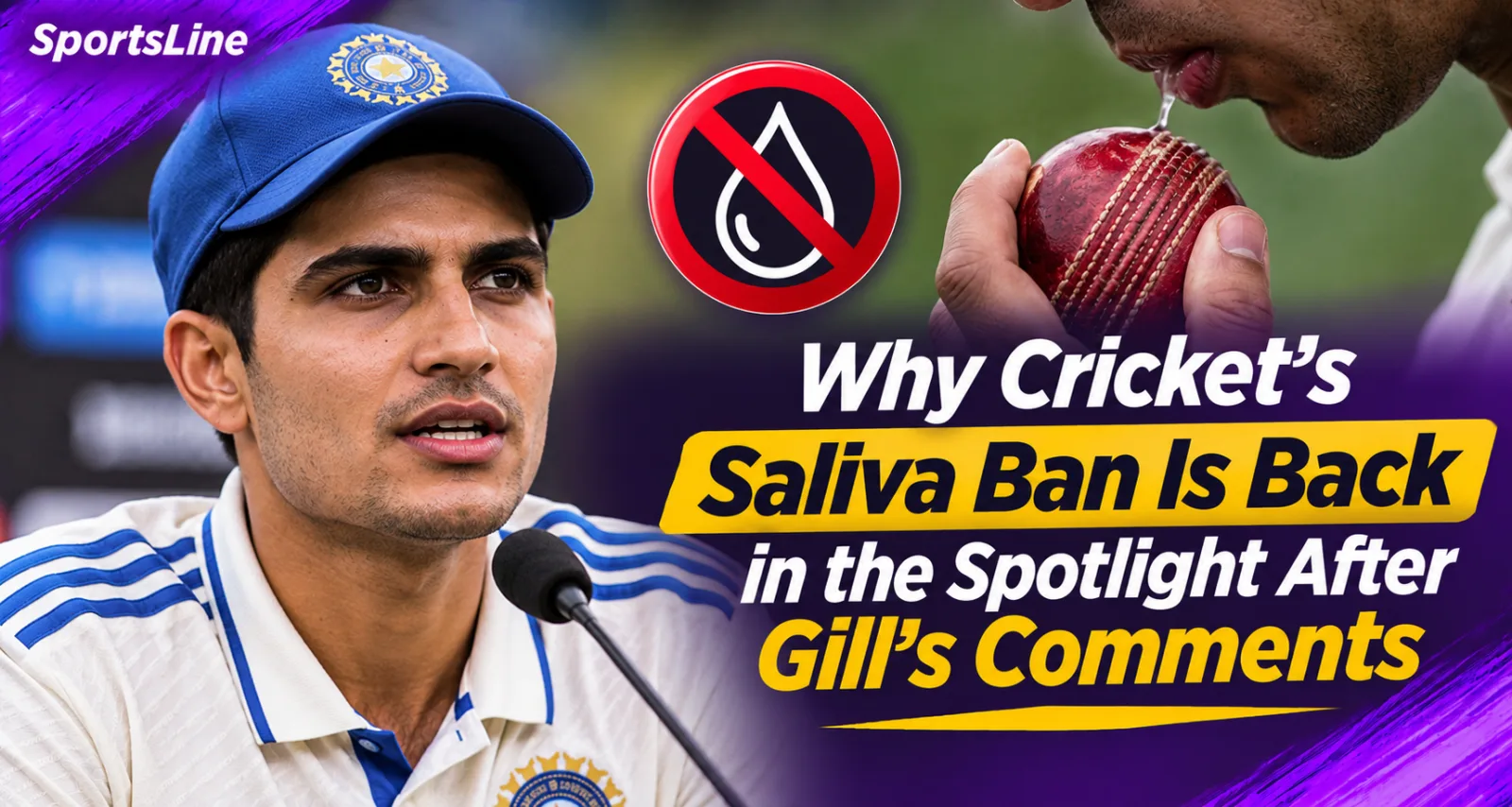
- The debate over how cricketers are allowed to maintain the ball has returned to the spotlight after India captain Shubman Gill questioned the continued prohibition on using saliva. The restriction was introduced during the COVID-19 pandemic and later made permanent by the International Cricket Council. Gill believes the time has come to reconsider a rule that changed one of the game's familiar routines.
For generations, players have polished the leather during an innings to preserve one side of the ball. That work is not merely cosmetic: the condition of the surface can influence how the ball behaves in the air. The current regulations permit sweat to be used, but saliva remains prohibited. Gill's comments have reopened a wider discussion about whether the existing balance between safety and the contest between bat and ball should be reviewed.
How the saliva restriction came into cricket
The ICC introduced the ban in 2020 as part of the sport's response to the coronavirus pandemic. At the time, cricket was returning to play under health protocols designed to reduce the risk of infection between players. Saliva was prohibited as a precaution because it could potentially transfer the virus, while sweat was retained as an allowed method of polishing the ball.
The measure was initially connected to the exceptional circumstances of the pandemic. In 2022, however, the ICC made the prohibition permanent. That decision meant the restriction continued even after the emergency conditions that had prompted its introduction had changed. The distinction is central to Gill's argument: he has questioned why the rule remains when the pandemic is no longer shaping everyday life in the same way.
Any change would be a matter for the game's governing authorities. Gill's comments do not mean the law has changed, and players must continue to follow the existing regulations. For the moment, saliva cannot be used to shine the ball, while sweat remains permitted.
Why ball maintenance is important
A cricket ball naturally changes as it is used. Its surface becomes worn, and the condition of each side can affect its flight. Players traditionally polish one side while allowing the other to become rougher. The contrast can help bowlers create movement through the air, making ball maintenance a technical part of the fielding side's work.
In conventional swing, the ball can move in the air because of differences in airflow around its two sides. Reverse swing is a separate skill that can emerge when an older ball behaves differently at pace. Neither outcome is automatic: the bowler's technique, speed, the ball's condition and the surrounding conditions all matter.
Polishing the ball does not guarantee a wicket, but it can help a team preserve the conditions needed to make the ball move. That is why fast bowlers and fielding teams pay close attention to the ball throughout an innings. The saliva ban removed one traditional method from that process and left sweat as the permitted alternative.
Gill's argument and the debate over fairness
Gill's objection is rooted in the idea that the restriction was introduced for a specific public-health reason and should be assessed in light of present-day conditions. He has questioned why players remain unable to use saliva after the passage of several years. His comments also reflect the frustration bowlers can experience when a pitch offers little assistance and the ball becomes less effective as an attacking tool.
There are competing considerations for administrators. A return to the old practice would require the ICC to consider health guidance, the practical management of players and officials, and the consistency of rules across international and domestic cricket. On the other hand, the continued restriction has an effect on a traditional aspect of the sport and the methods available to bowlers.
The question is therefore broader than one captain's preference. It asks how cricket should respond when a temporary emergency measure becomes a permanent part of the laws and playing conditions. Any review would need to be evidence-based and applied consistently, rather than changing regulations from series to series.
What happens next?
No immediate rule change has been announced. Until the ICC decides otherwise, players must continue to shine the ball using only the methods allowed under the current regulations. Gill's comments amount to a public call for the issue to be reconsidered, not confirmation that the governing body is preparing to reverse its decision.
The India captain raised the matter after the drawn first Test against New Zealand in Wellington, where he scored 98. The result provided the immediate setting for his remarks, but the policy question extends well beyond that match. It touches the way the game protects the ball, supports fast bowling and maintains a balance between batters and bowlers.
For players, coaches and supporters, the debate is likely to continue until cricket's authorities clarify whether the permanent restriction remains appropriate. For now, the rule is unchanged: saliva is prohibited, sweat is allowed, and Gill has made clear that he would like the ICC to take another look.
Frequently asked questions
When did cricket's saliva ban begin?
The ICC introduced the prohibition in 2020 as a precaution during the COVID-19 pandemic. It was later made permanent in 2022, meaning players remain unable to apply saliva to the ball even though the original emergency circumstances have changed.
Can players use sweat to shine a cricket ball?
Yes. The current regulations allow players to use sweat to polish the ball. The prohibition applies to saliva, which was restricted as a precaution against possible transmission of coronavirus between players during the pandemic.
Why do bowlers want to keep one side of the ball shiny?
Teams polish one side while allowing the other to become rougher because the difference in surface condition can influence the ball's movement through the air. Skilled bowlers may use those conditions to generate conventional swing or, in suitable circumstances, reverse swing.
Has the ICC lifted the saliva ban after Shubman Gill's comments?
No. Gill has called for the restriction to be reconsidered, but his comments do not represent a change in the regulations. Players must continue to follow the existing rule, which prohibits saliva and permits sweat for polishing the ball.
What prompted Shubman Gill to raise the issue?
Gill questioned the continued restriction after the first Test between India and New Zealand in Wellington ended in a draw. He had scored 98 in the match and argued that the ban, introduced during the pandemic, should be reviewed.