
Key points
- Abhinav Mukund believes Arshdeep Singh can prevent opponents from focusing only on surviving Jasprit Bumrah’s overs.
- Irfan Pathan said Arshdeep’s arrival makes Trent Boult’s release understandable because MI now have an Indian left-arm pace option.
- Arshdeep gives Mumbai another bowler capable of operating in the powerplay and at the death.
- Mukund cited Mumbai’s past fast-bowling partnerships, including combinations involving Lasith Malinga, Bumrah and Mitchell McClenaghan.
- Pathan questioned the release of Afghanistan spinner Allah Ghazanfar and noted the possible value of pairing him with Mitchell Santner.
- Mumbai still need to settle their middle-overs bowling combination ahead of IPL 2027.
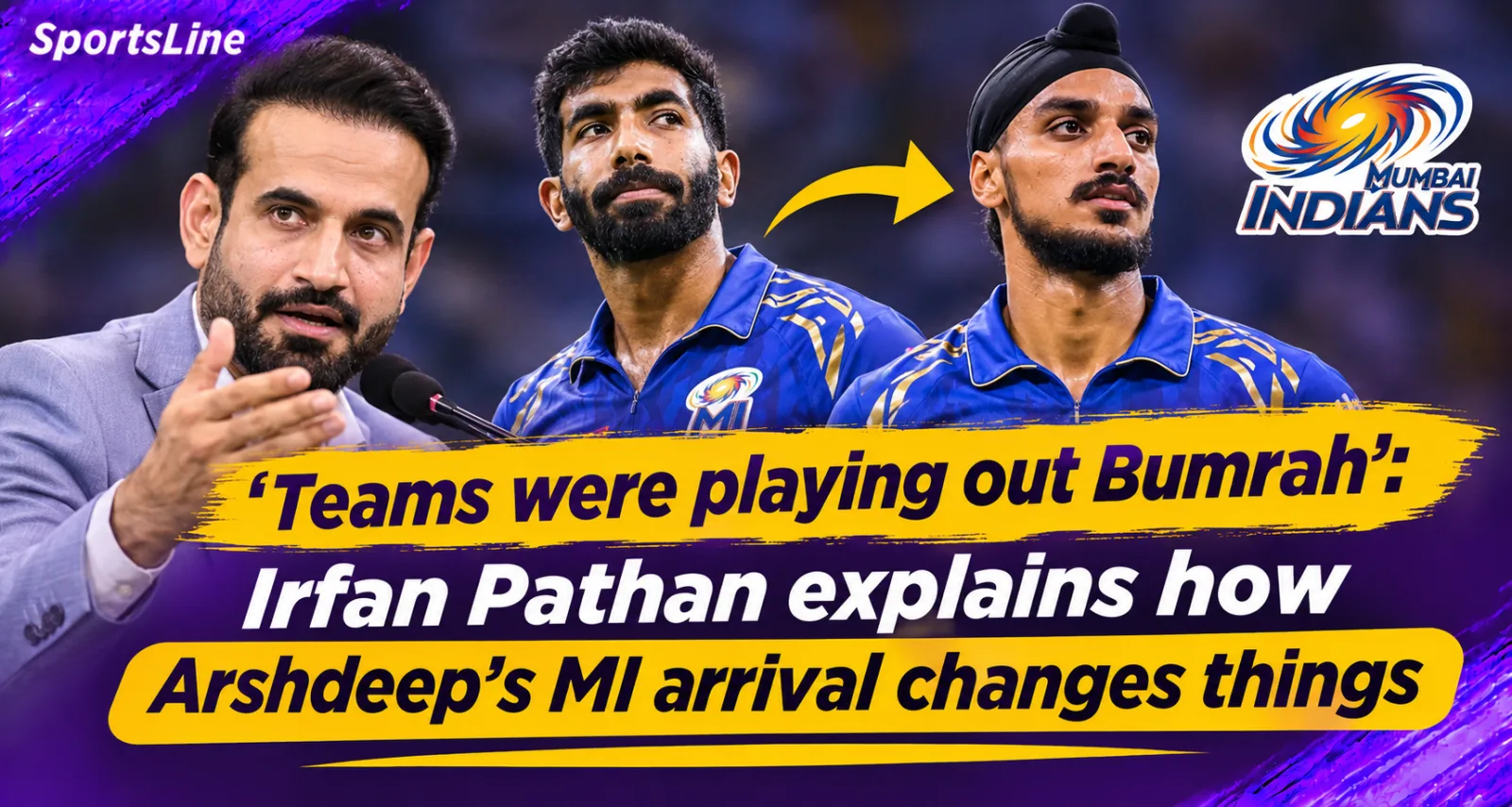
Mumbai Indians could have a different kind of threat at the top of their bowling attack in IPL 2027. The arrival of left-arm pacer Arshdeep Singh gives the five-time champions another frontline Indian fast bowler alongside Jasprit Bumrah, a combination that former India batter Abhinav Mukund believes could make it harder for opponents to simply play out Bumrah and attack the other end.
Mukund's observation gets to the heart of Mumbai's potential bowling improvement. In recent seasons, opposition batters have often treated Bumrah as a bowler to negotiate carefully, looking to score more freely against the remaining attack. With Arshdeep in the XI, that approach could become riskier: a second strike bowler can create pressure, take wickets and prevent teams from settling into a plan built around surviving Bumrah's overs.
Former India all-rounder Irfan Pathan has also backed the reshaping of Mumbai's attack. Pathan said Arshdeep's arrival made the decision to release New Zealand left-arm quick Trent Boult understandable, because Mumbai now have an Indian left-armer who can provide a similar type of option while leaving the franchise more flexibility in its overseas combination.
Why the Bumrah-Arshdeep combination matters
Bumrah's value is not limited to one phase of a T20 innings. He can bowl with the new ball, return in the middle overs and handle high-pressure overs at the death. But even a bowler of his quality benefits when the other end offers a consistent wicket-taking threat. If batters cannot simply defend against Bumrah and target a less threatening matchup, the pressure on the whole batting order increases.
Arshdeep brings a different angle. As a left-arm fast bowler, he can change the line and angle that batters face, while his experience in the powerplay and at the death gives the captain options across the innings. His ability to swing the new ball and execute yorkers makes him more than a like-for-like replacement for another seamer. The combination could allow Mumbai to split responsibilities rather than asking Bumrah to carry the attack through every critical passage.
Mukund pointed to Mumbai's history of successful fast-bowling partnerships, referring to combinations involving Lasith Malinga, Bumrah and Mitchell McClenaghan. His broader point was that title-winning teams have often had a second fast bowler capable of sharing the wicket-taking burden. Arshdeep's presence could offer that support and make Mumbai's attack less predictable.
Pathan backs the decision on Boult
Pathan's assessment focused on squad balance as much as individual quality. With Arshdeep joining Bumrah, Mumbai have an Indian left-arm option in the pace group. That makes the release of Boult, an overseas left-armer, easier to understand from a team-combination perspective. It could free an overseas slot for another role, depending on the balance Mumbai choose at the auction and during the season.
Pathan also described Deepak Chahar's release as understandable, pointing to the fast bowler's difficulty in completing full seasons consistently in recent years. At the same time, he expressed surprise at Mumbai letting go of Afghanistan spinner Allah Ghazanfar, suggesting the franchise could have paired him with Mitchell Santner as an overseas spin combination.
Those decisions leave Mumbai with important choices to make. A strong pace core does not automatically solve the middle-overs problem, particularly if the team needs specialist spin options and cover for injuries or workload management. The franchise will have to decide how many specialist bowlers to carry and how to balance them with its batting and all-round resources.
What Mumbai still need to solve before IPL 2027
Arshdeep and Bumrah could give Mumbai a formidable new-ball and death-overs pairing, but the middle overs remain a key tactical question. Mukund acknowledged that the team would need to work out who takes responsibility in that phase. The answer may depend on conditions, match-ups and which overseas players Mumbai add to the squad.
The trade also represents a significant change for both franchises. Arshdeep moves to Mumbai after establishing himself as a leading Indian left-arm quick with Punjab Kings, while Hardik Pandya moves in the opposite direction. The change gives Mumbai a specialist bowler in a role that can complement Bumrah, while Punjab gain an experienced all-rounder.
For Mumbai, the potential benefit is not simply having two well-known fast bowlers. It is the tactical pressure their combination could create. If Arshdeep takes wickets at the other end, opponents may no longer be able to treat Bumrah's overs as an isolated challenge and then accelerate against the rest. That shift in opposition planning could be one of the most important outcomes of the move.
Ultimately, the pairing will have to prove itself on the field. Fitness, availability, execution and the support provided by the rest of the bowling unit will determine how effective it becomes. But the logic behind the combination is clear: Mumbai are aiming to build an attack in which batters have fewer safe overs to target, and where Bumrah is supported by another bowler capable of changing a match.
Frequently asked questions
Why does Arshdeep Singh’s arrival matter for Jasprit Bumrah?
Arshdeep gives Mumbai another frontline wicket-taking fast bowler. Abhinav Mukund believes opponents will find it harder to play out Bumrah and attack the other end when Arshdeep is also in the attack, potentially changing how teams plan their innings.
What did Abhinav Mukund say about Mumbai Indians’ bowling?
Mukund said teams had been playing out Bumrah in recent seasons and targeting the other bowlers. He believes Arshdeep’s inclusion can change that calculation, while also pointing to Mumbai’s history of successful fast-bowling partnerships.
Why did Irfan Pathan back Trent Boult’s release?
Pathan argued that Arshdeep’s arrival gives Mumbai an Indian left-arm fast-bowling option, making Boult’s release understandable from a squad-balance perspective. It can also create more flexibility when Mumbai choose their overseas players.
Which Mumbai Indians bowling issue still needs attention?
The middle overs remain an important question. Mukund noted that Mumbai must identify who will handle that phase, while the franchise also needs enough spin options and depth to manage conditions, workloads and injuries.
What surprised Irfan Pathan about Mumbai’s releases?
Pathan said he was surprised by the release of Afghanistan spinner Allah Ghazanfar. He felt Mumbai could potentially have used Ghazanfar alongside Mitchell Santner to form a pair of overseas spin options.