
Yoga for Athletes: How Yoga Improves Flexibility, Strength, Balance and Sports Performance
By SportsLine Desk Published:
Discover how yoga improves flexibility, functional strength, balance, and mental focus for athletes. Learn sport-specific benefits and how to integrate yoga into training.
Introduction
Athletes spend countless hours training to improve their speed, strength, endurance and overall performance. Whether playing cricket, football, badminton, athletics, basketball or any other sport, physical fitness and mental focus play an important role in achieving success.
However, sports performance is not just about intense workouts and practice sessions. Recovery, flexibility, balance, breathing and mental preparation are equally important.
This is where yoga for athletes can make a difference.
Yoga is more than a traditional practice of stretching and meditation. When incorporated appropriately into an athlete's training routine, it can support flexibility, body awareness, balance, mobility, relaxation and mental concentration.
From beginners to professional athletes, yoga can become a useful addition to a well-planned sports training programmes.
1. Improves Flexibility and Mobility
Flexibility and mobility are important for athletes across almost every sport.
Football players need good hip mobility for running and kicking. Cricketers require shoulder and back mobility for batting and bowling. Badminton players need flexibility and quick movement to reach difficult shots.
Regular yoga practice includes controlled movements and stretches that target different muscle groups.
Some useful yoga poses include:
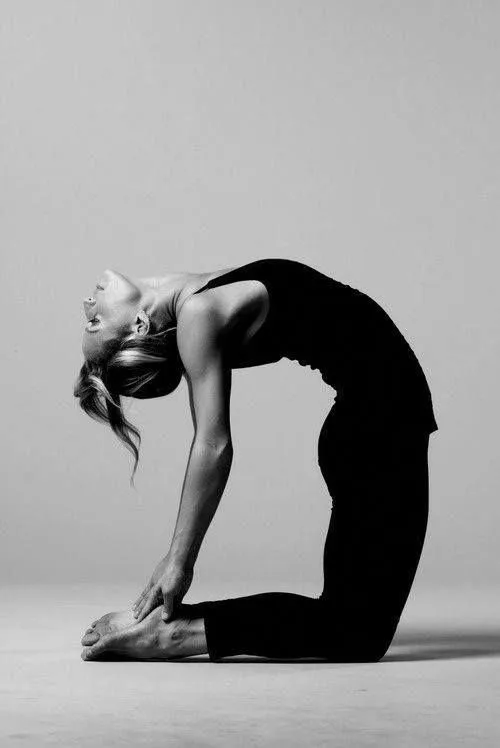
Downward-Facing Dog: Stretches the shoulders, hamstrings and calves.Low Lunge: Helps improve hip flexibility.
Butterfly Pose: Stretches the inner thighs and hips.
Cat-Cow Pose: Encourages gentle spinal movement.
Child's Pose: Provides a gentle stretch and relaxation.
Improved mobility can help athletes move more comfortably and maintain better movement patterns during training.
2. Builds Functional Strength
Yoga is not only about flexibility. Many yoga poses require athletes to support and control their own body weight.
Poses such as Plank, Warrior II, Chair Pose and Boat Pose engage different muscle groups and challenge muscular endurance.
These movements can help develop:
- Core strength
- Shoulder stability
- Leg strength
- Postural control
- Body awareness
A stronger and more controlled body can support the physical demands of sports training.
However, yoga should complement sport-specific strength training rather than replace it.
3. Develops Balance and Coordination
Balance is essential in sports.
A football player must maintain stability while changing direction. A gymnast needs body control during complex movements. A badminton player must maintain balance while moving quickly across the court.
Yoga includes several poses that challenge balance and coordination.
Examples include:
Tree Pose: Develops balance and concentration.Warrior III: Challenges stability and body control.
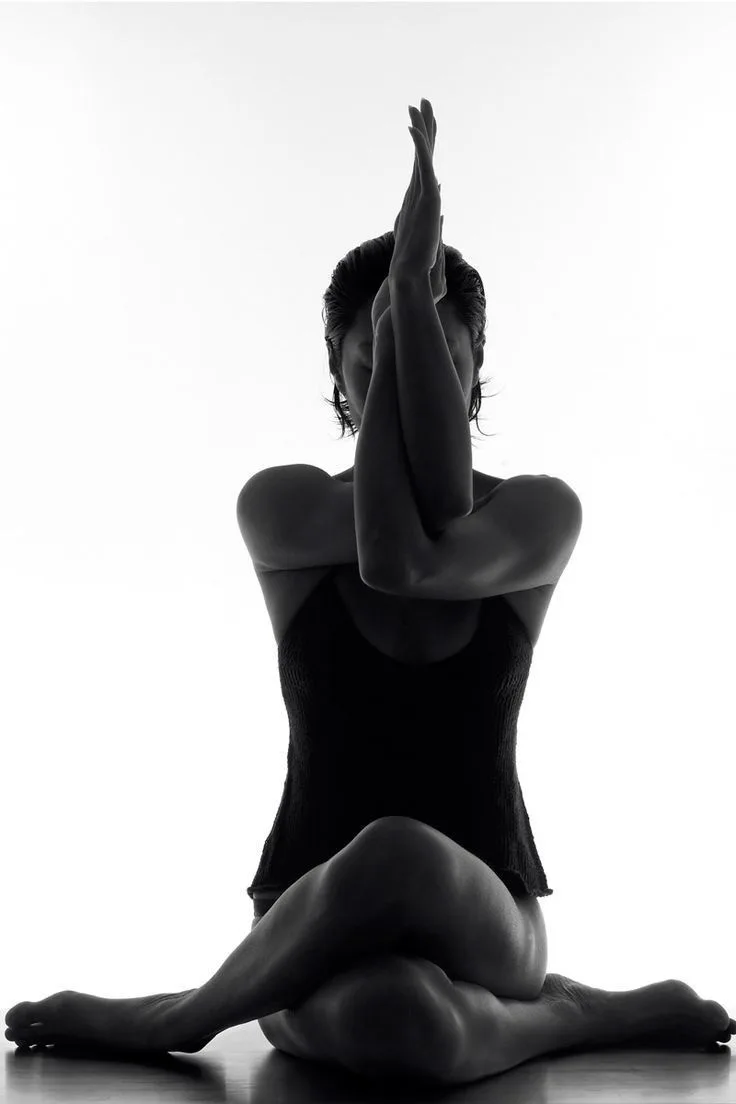
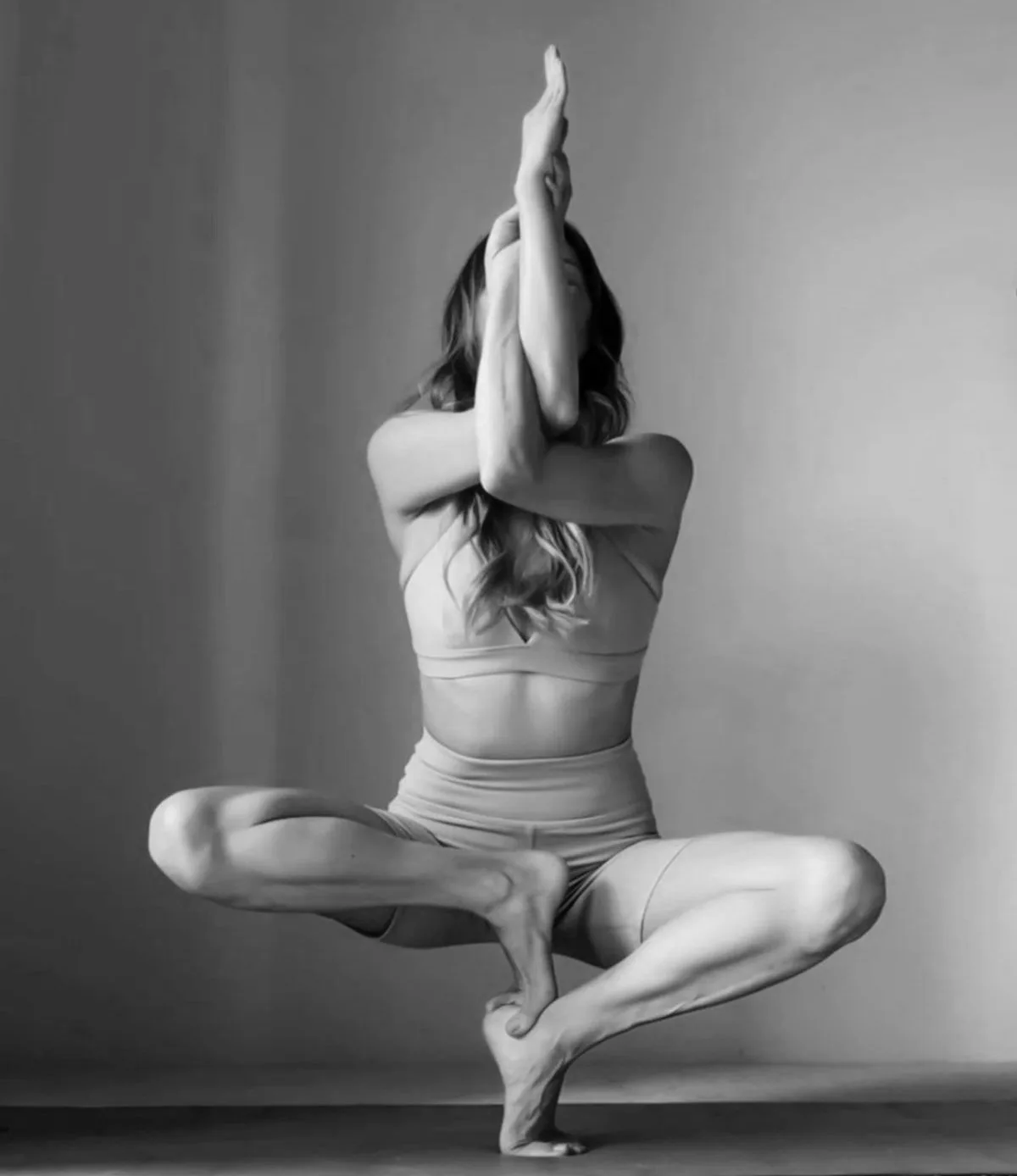
Eagle Pose: Encourages coordination and balance.
One-Legged Mountain Pose: Develops single-leg stability.
Practicing these poses regularly can improve body awareness and balance skills that may complement an athlete's regular training.
4. Supports Recovery and Relaxation
Training places physical demands on the body. Athletes need sufficient recovery time to adapt to training and prepare for their next session.
Gentle yoga, stretching and breathing exercises may help athletes relax after demanding workouts.
Restorative yoga and gentle poses can support relaxation and help reduce feelings of physical tension.
Some useful practices include:
- Gentle forward bends
- Legs-Up-the-Wall Pose
- Supported Child's Pose
- Gentle spinal twists
- Relaxation and breathing exercises
Yoga is not a substitute for proper sleep, nutrition, hydration or medical treatment. Athletes experiencing injuries or persistent pain should consult qualified healthcare professionals before attempting exercises that may aggravate their condition.
5. Improves Breathing Awareness and Mental Focus
Sports performance is not only physical. Mental concentration and emotional control are also important.
Athletes often face pressure during competitions, challenging training sessions and important matches.
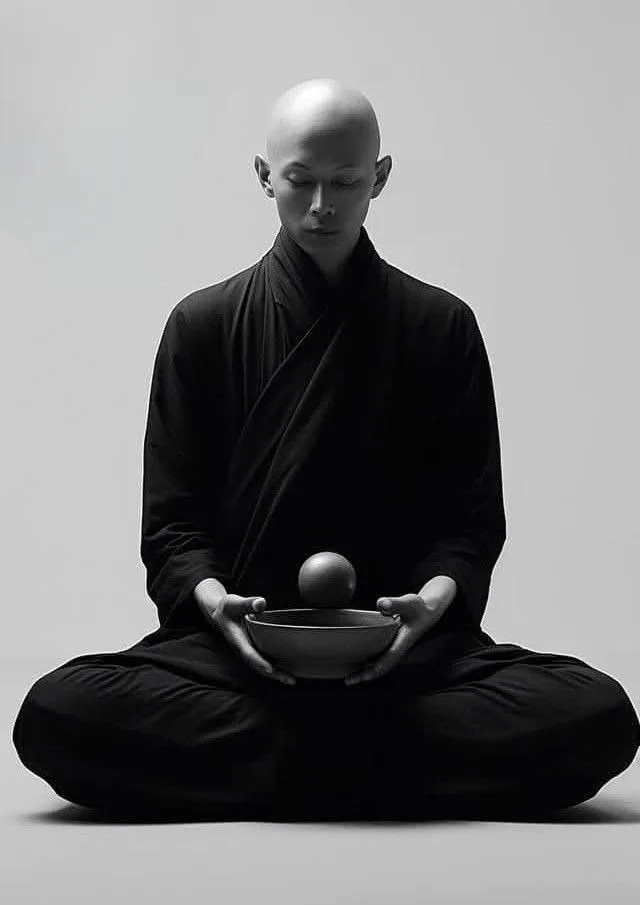
Yoga incorporates breathing techniques, commonly known as Pranayama, which encourage controlled and mindful breathing.
Simple breathing practices can help athletes:
Develop awareness of their breathing patterns.Practise relaxation.
Improve concentration.
Manage pre-competition nervousness.
Develop a calmer approach to challenging situations.
Breathing exercises should be practised comfortably without forcing or holding the breath for extended periods.
6. Yoga for Different Sports
Different sports place different physical demands on athletes. Yoga routines can be adapted according to the sport, training intensity and individual requirements.
Cricket: Shoulder mobility, hip flexibility and gentle spinal movements may
complement batting, bowling and fielding practice.
Football: Hip mobility, ankle movement, balance and controlled stretching may
support football training.
Badminton: Balance, shoulder mobility, flexibility and body control are useful areas
to focus on.
Athletics: Yoga can complement running and athletics programmes through mobility,
balance, body awareness and relaxation.
Basketball: Hip and ankle mobility, balance and core control can complement basketball
training.
Swimming: Gentle shoulder mobility, breathing awareness and relaxation may
complement swimming practice.
A yoga instructor familiar with sports training can help adapt sessions to the athlete's sport, fitness level and training schedule.
7. How Athletes Can Include Yoga in Their Training Routine
Athletes do not necessarily need long yoga sessions to begin experiencing its benefits. A suitable routine can be introduced gradually.
Here is an example of a simple weekly approach:
- Before training: Use a short dynamic mobility routine appropriate for the sport.
- After training: Include gentle stretching and relaxation.
- On recovery days: Practice a longer, low-intensity yoga session if appropriate.
- Before competitions: Use comfortable breathing exercises and familiar mobility movements.
- The routine should be adjusted according to the athlete's age, experience, sport, training load and recovery needs.
Athletes should avoid introducing unfamiliar, intense stretches immediately before competition or pushing into painful positions.
8. Why Athletes Should Consider Professional Yoga Guidance
Every athlete has different physical needs. A beginner may need basic mobility and balance exercises, while an experienced athlete may benefit from a more sport-specific programmes.
A qualified yoga instructor can help athletes:
Select suitable poses and exercises.Learn correct movement techniques.
Adapt sessions to their sport.
Develop a consistent practice.
Avoid exercises that are unsuitable for their current physical condition.
Yoga studios, independent instructors and sports wellness professionals can also work with academies, clubs, teams and individual athletes to provide specialised sessions.
9. Opportunities for Yoga Studios, Instructors and Wellness Businesses
The connection between yoga and sports creates opportunities for yoga professionals to reach a wider audience.
Athletes are continually looking for ways to improve mobility, flexibility, balance, relaxation and overall fitness. Yoga studios and instructors who offer relevant programmes can connect with this growing sports community.
Sportsline.news provides a platform for yoga-related businesses and professionals to build their presence within the sports industry.
Yoga studios, yoga instructors, meditation centers, wellness centers and other relevant businesses can register under the Business Section on Sportsline.news.
By creating a business profile, they can:
- Showcase their yoga programmes and services.
- Highlight their experience, expertise and specializations.
- Promote their services to athletes and sports communities.
- Connect with sports academies, clubs, coaches and teams.
- Build professional relationships within the sports industry.
- Increase their online visibility among sports-related audiences.
- Explore potential enquiries, partnerships and collaboration opportunities.
Whether you operate a yoga studio, provide personal yoga training or conduct specialized yoga sessions for athletes, Sportsline.news offers an opportunity to showcase your services in a sports-focused network.
Conclusion: Bring Yoga into Your Sports Journey
Yoga can be a valuable addition to an athlete's overall fitness and training routine. Its focus on flexibility, mobility, balance, body awareness, breathing and relaxation makes it relevant to athletes across different sports.
The key is to practice consistently, choose suitable exercises and combine yoga with sport-specific training, proper recovery and professional guidance.
For athletes, yoga can be another step towards building a balanced approach to sports performance.
For yoga instructors, studios and wellness businesses, the sports community offers opportunities to share their expertise and build meaningful professional connections.
Register under:
Are you a yoga instructor, yoga studio or wellness professional? Join the SportsLine.news network and connect with the wider sports community.
Business Section → Select the relevant Yoga / Fitness / Wellness category.
Visit https://sportsline.news/collaborate.php and become part of India's growing sports network.
SportsLine.news – Connecting Athletes, Sports Businesses and Opportunities.
Registration is 100% FREE using our special coupon code! : SPORT-2C5TS*
*Coupon valid Upto 30th Nov 2026
Frequently asked questions
Should yoga replace standard strength and conditioning workouts for athletes?
No. Yoga is designed to complement sport-specific strength and conditioning, not replace it. While yoga builds core control, stability, and body awareness, athletes still need targeted strength and resistance training tailored to their specific sport.
When is the best time for athletes to practice yoga?
It depends on the goal:
Before training: Use short, dynamic mobility flows to warm up muscles and joints.
After training: Practice gentle stretching and relaxation to relieve muscular tension.
On recovery days: Perform longer, low-intensity sessions to promote active recovery.
Before competitions: Focus on familiar mobility exercises and calm breathing techniques (Pranayama).
Can beginner athletes start practicing yoga without prior experience?
Yes. Beginners should start with foundational poses focused on basic mobility, balance, and breathing. Working with a instructor who understands sports biomechanics helps ensure proper form and prevents over-stretching.
How does Pranayama (breathing exercises) aid sports performance?
Pranayama helps athletes develop conscious control over their breath, which lowers pre-game anxiety, enhances mental focus during high-pressure moments, and improves overall body relaxation during recovery.
How can yoga studios and wellness instructors list their services for athletes?
Yoga instructors, studios, and sports wellness professionals can create a profile under the Business Section on SportsLine.news to connect directly with athletes, sports academies, clubs, and coaches looking for specialized training.
Players in this post
Virat Kohli
Cricket · India · Batter
One of the most prolific batters in cricket history and a former India captain across all formats, Kohli continues to play ODI cricket for India as a senior batter.
- Most ODI centuries by an Indian batter
- Former India Test
- ODI & T20I Captain