
Athletes Beyond Physical Strength: The Mental Battles Behind Success
By SportsLine Desk Published:
Explore the mental health challenges athletes face, including performance anxiety, fear of failure and burnout, and discover how sports psychology supports well-being.
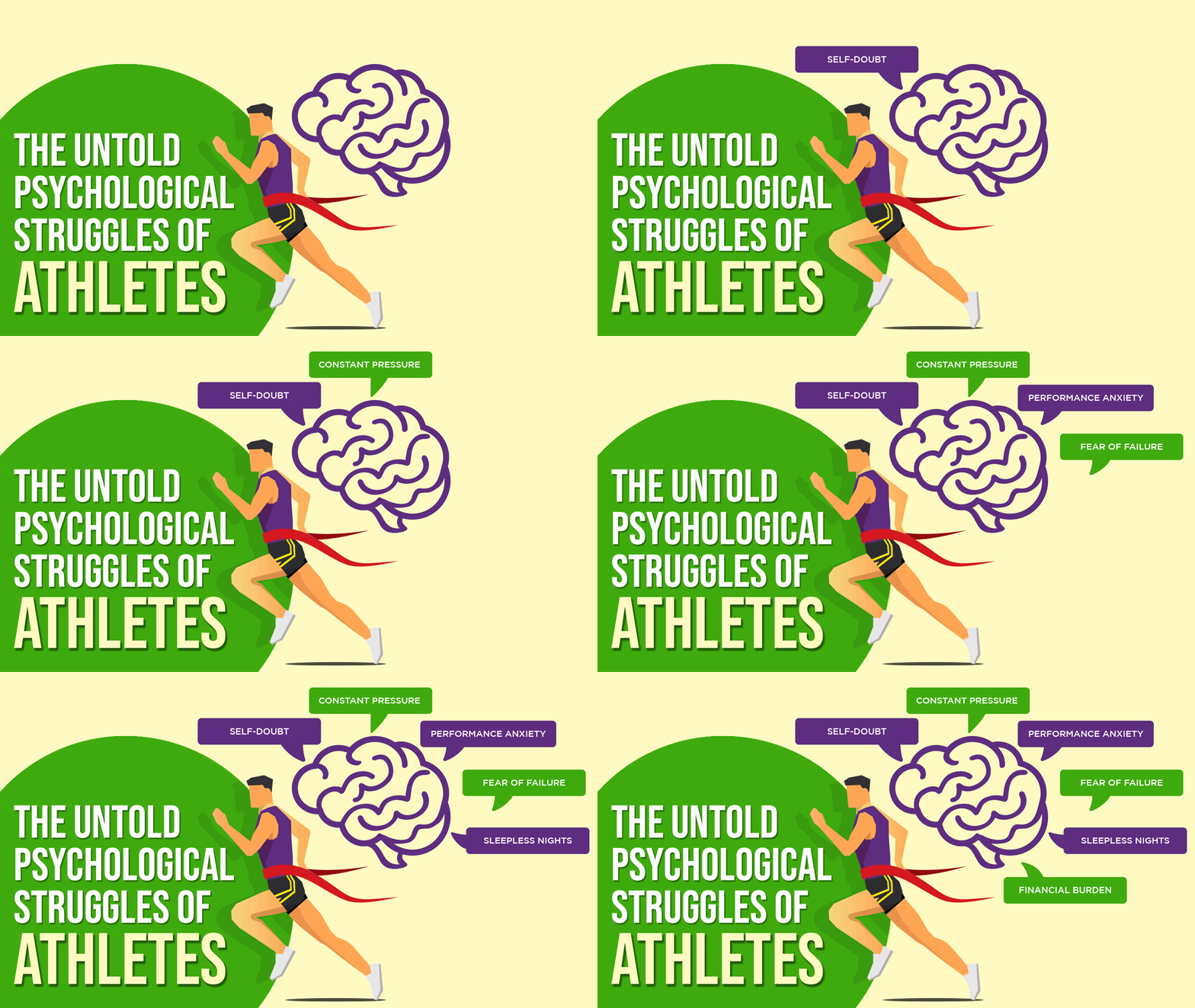
A roaring crowd, a winning goal, a medal, and a moment of glory — these are the images we often associate with an athlete's success. But behind every victory may lie sleepless nights, performance anxiety, fear of failure, self-doubt, and the constant pressure to prove oneself. While the world celebrates an athlete's physical achievements, the psychological struggles behind those achievements often go unnoticed.

One of the most significant psychological challenges athletes experience is performance anxiety. The constant pressure to win, meet expectations, and avoid mistakes can create an overwhelming fear of failure. Expectations from coaches, families, spectators, and even oneself can make every competition feel like a test of personal worth. This pressure may affect concentration, confidence, and decision-making, sometimes preventing athletes from performing to their actual potential.
Consider an athlete preparing for an important final after months of rigorous training. As the competition approaches, thoughts about winning, disappointing the coach, or letting the team down begin to take over. Even a minor mistake during the game may trigger frustration, self-doubt, and fear of making another mistake. An athlete who performs confidently during practice may suddenly struggle to execute familiar skills under competitive pressure. In such situations, the fear of failure can become more overwhelming than the desire to win, turning an opportunity to perform into an emotionally demanding experience.
Another concern is athlete burnout, which extends beyond physical exhaustion. Continuous training, intense competition, and the constant demand to perform can gradually lead to emotional fatigue, reduced motivation, and a loss of enjoyment in the sport. What once brought happiness and fulfilment may eventually become a source of stress and obligation.
Imagine an athlete who once looked forward to every training session but gradually begins to dread stepping onto the field. Despite feeling physically exhausted, they continue training because taking a break feels like falling behind. Missing practice may bring guilt, while a poor performance may create feelings of inadequacy. Over time, the sport that once provided happiness and a sense of achievement can begin to feel like an obligation. This emotional disconnect can be particularly difficult because the athlete may continue performing outwardly while internally struggling with exhaustion and a loss of motivation.
This is where sports psychology becomes essential. Psychological support can help athletes develop healthier coping mechanisms through emotional regulation, cognitive behavioral strategies, relaxation techniques, and positive self-talk. Equally important is creating an environment where acknowledging emotional difficulties and seeking help are encouraged rather than perceived as signs of weakness.
Ultimately, mental strength is not about suppressing emotions or appearing unaffected by failure. It is about recognizing psychological struggles, seeking support, and finding the strength to move forward. Behind every athlete striving for victory is a person whose mental well-being deserves recognition just as much as their achievements.

Mr. Aaniket K Pragati
Psychologist
Frequently asked questions
What are the common mental health challenges faced by athletes?
Athletes may experience performance anxiety, fear of failure, self-doubt, emotional exhaustion, stress, and burnout due to competitive pressure and high expectations.
What is performance anxiety in sports?
Performance anxiety is the fear or nervousness athletes experience when competing under pressure. It can affect concentration, confidence, decision-making, and overall performance.
What is athlete burnout?
Athlete burnout is a state of emotional and physical exhaustion that can develop due to continuous training, intense competition, and persistent pressure to perform. It may lead to reduced motivation and loss of enjoyment in sports.
How does sports psychology help athletes?
Sports psychology helps athletes develop mental skills and healthier coping strategies through emotional regulation, relaxation techniques, cognitive behavioral strategies, and positive self-talk.
Can performance anxiety affect an athlete's performance?
Yes. Excessive pressure and fear of failure can interfere with concentration, confidence, and decision-making, sometimes preventing athletes from performing to their full potential.
Why is mental health important for athletes?
Mental well-being is essential for maintaining motivation, managing competitive pressure, enjoying sports, and sustaining healthy athletic performance.
When should athletes seek psychological support?
Athletes should consider professional support when persistent anxiety, emotional exhaustion, loss of motivation, or fear of failure begins affecting their well-being or sporting activities.
Events in this post
Tata Mumbai Marathon 2027
Event · Other · Mumbai · 17 Jan 2027
The 22nd edition of the Tata Mumbai Marathon 2027 is scheduled to take place on Sunday, January 17, 2027. [1]Event OverviewDate: Sunday, January 17, 2027Location: Mumbai, Maharashtra, IndiaOrganize...
View event →